The pandemic accelerated a workplace revolution that shows no signs of slowing down. Organizations worldwide are reimagining what work looks like, moving from 'remote-friendly' to 'remote-first' mindsets.
The Rise of Asynchronous Work
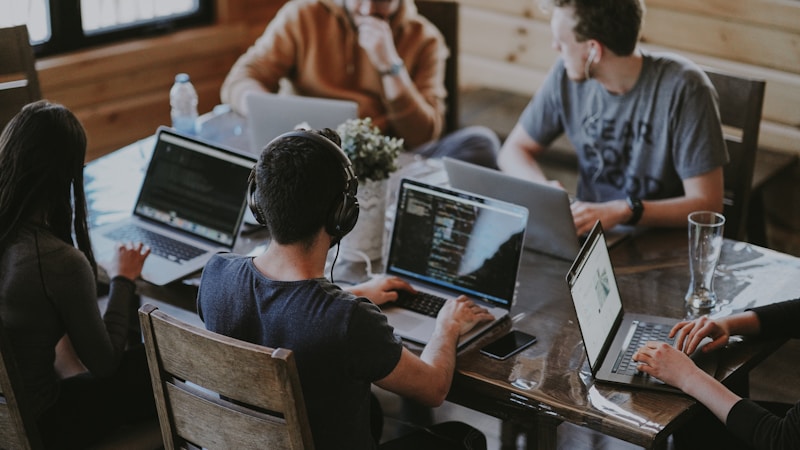
The traditional 9-to-5 synchronous schedule is becoming obsolete. Leading remote companies are shifting to asynchronous communication—using tools like Loom, Slack, and Notion to allow deep work without constant interruptions. This shift values output over hours logged and accommodates global teams across multiple time zones.
Hybrid Models and Proximity Bias
Most enterprises have settled on structured hybrid arrangements (e.g., '3-2-2' models). However, this creates a new challenge: 'Proximity Bias,' where in-office employees are unconsciously favored for promotions over remote workers. HR leaders are actively redesigning performance reviews to mitigate this and ensure equity regardless of location.
The Third Workplace
The binary of 'Home vs. Office' is expanding. We are seeing the rise of the 'Third Workplace'—co-working memberships, coffee shops, and dedicated work hubs in suburbs—that offer the social connection of an office without the commute.
The Future Outlook: The Experience Office
The corporate headquarters is not dead, but its purpose has changed. It is no longer a factory for emails, but a clubhouse for culture, onboarding, and complex collaboration. Offices are being redesigned with more lounge spaces and fewer cubicles to support this social function.